(949) 558-2133 Menu

Rhinoplasty At‑a‑Glance

  • Goals: Refine nasal shape/size, improve facial harmony, and address breathing issues when needed.
  • Approaches: Open or closed rhinoplasty; functional work (septoplasty/valve repair) when appropriate.
  • Common concerns: Hump or flat bridge, wide tip, droopy tip, asymmetry, trauma‑related changes.
  • Downtime: most return to desk work in ~7–10 days; swelling refines for months; final definition ~12 months.

Am I a Candidate For Rhinoplasty?

You may be a good candidate for rhinoplasty in Newport Beach if you:

  • Feel your nose is out of proportion or draws attention from other features;
  • Have realistic expectations and are in good general health;
  • Would benefit from correction of structural issues (deviation, valve collapse) or prior injury;
  • Are done with major facial growth (typically age 16+ with surgeon approval).

Out‑of‑town patients are welcome, and virtual consultations are available.

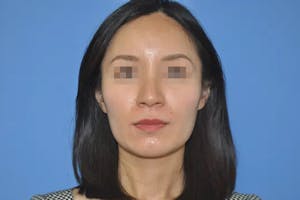
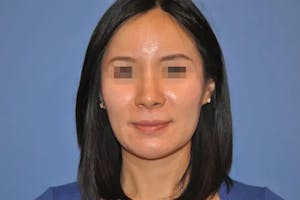
woman touching her face

What Can Rhinoplasty Improve?

  • Bridge: Dorsal hump, depression, width
  • Tip: Droop, bulbosity, asymmetry, over‑/under‑projection
  • Base: Nostril flare, width, alar asymmetry
  • Function: Septal deviation, valve collapse, trauma or prior surgery issues

What is the Rhinoplasty Procedure?

  • Planning & markings with photo analysis and profile balance review.
  • Anesthesia & exposure (open or closed).
  • Framework shaping—refining bone/cartilage; grafts from septum/ear/rib as needed.
  • Airway support—septoplasty, spreader/batten/alar rim support when indicated.
  • Precise closure & splinting; follow‑up plan and taping/scar care instructions.

We’ll work together before your nose job in Newport Beach to decide exactly how your results should appear, crafting a treatment plan that brings you perfectly in line with your cosmetic goals and allows you to love the way you look.

Schedule a consultation | Wirth Aesthetic Plastic Surgery

Schedule A Consultation

Contact Us
Wirth Aesthetic Plastic Surgery

Types of Rhinoplasty Procedures

  • Primary Rhinoplasty: First‑time cosmetic/functional nose reshaping surgery tailored to your anatomy.
  • Functional Rhinoplasty/Septoplasty: Improves airflow (septum/valves) with or without cosmetic changes.
  • Revision Rhinoplasty: Corrects results from prior nose surgery; may use grafts for stable support.
  • Ethnic Rhinoplasty: Refines features while respecting your natural identity.

When Should You Consider Revision Rhinoplasty?

If you’re unhappy with the results of a previous nose surgery — a breathing problem that was never resolved, a visible asymmetry, or a result that simply doesn’t look or feel like you — revision rhinoplasty may help. Dr. Wirth frequently uses rib, ear, or banked cartilage to rebuild structural support when the septum has already been used in a prior surgery. Read more in "Reasons to Get a Revision Rhinoplasty" to see if it’s the right option for you.

What Makes Ethnic Rhinoplasty Different?

Ethnic rhinoplasty isn’t a separate technique so much as a different starting point. Patients of African, Asian, Middle Eastern, and Hispanic descent often have thicker skin, softer cartilage, and different baseline nasal proportions than the anatomy around which many rhinoplasty techniques were historically built. That means the surgical plan has to account for how that skin and cartilage will heal and hold shape — while preserving the features that reflect your heritage rather than reshaping the nose toward a generic template. Learn more on our dedicated Ethnic Rhinoplasty page.

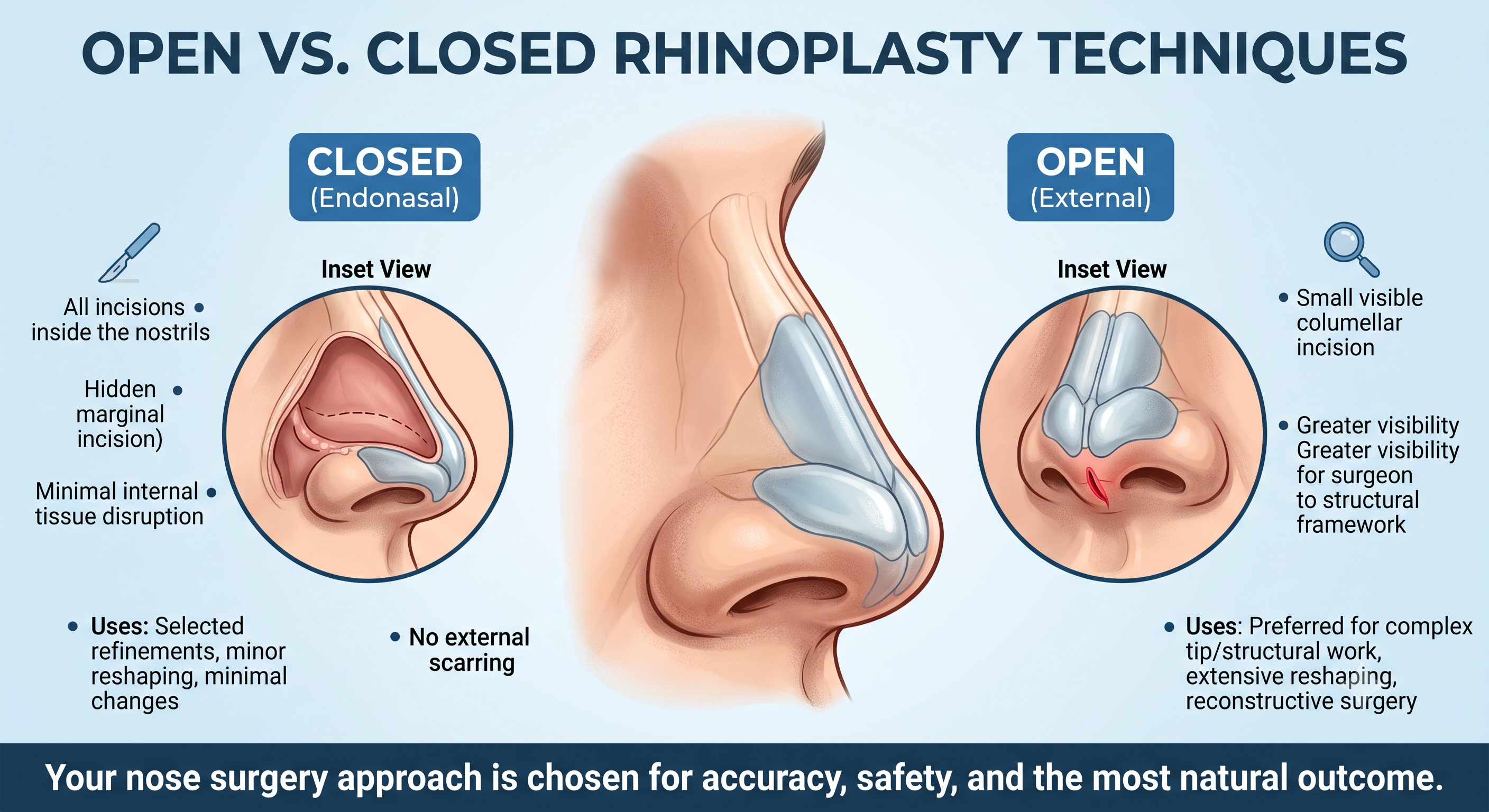
Open vs. Closed Rhinoplasty Technique

  • Closed (endonasal): all incisions inside the nostrils; useful for selected refinements.
  • Open (external): a small columellar incision for precise access—often preferred for complex tip/structural work.

Open vs Closed Rhinoplasty infographic

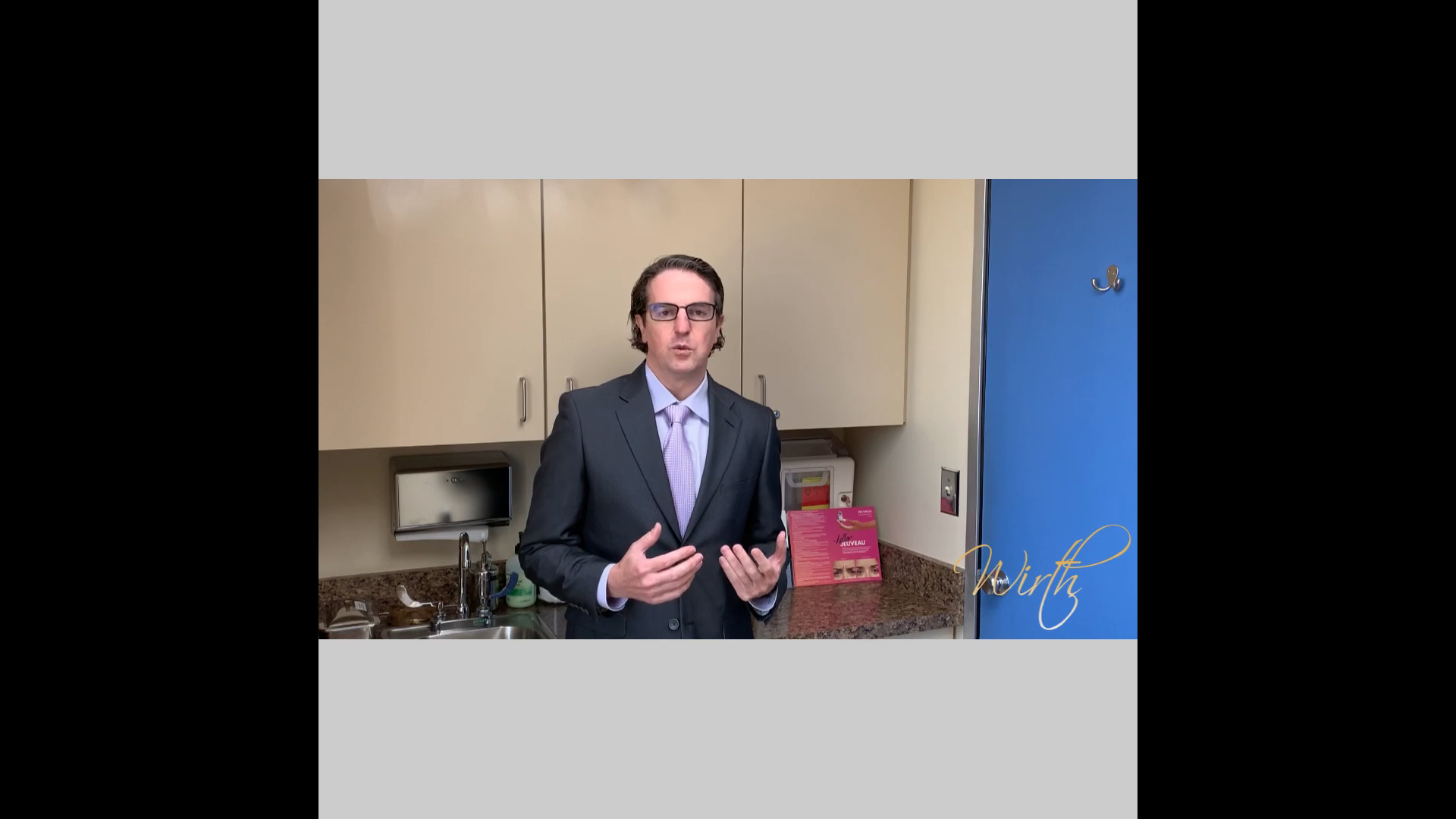
Video: Dr. Wirth Discusses Different Types of Rhinoplasty Procedure

A video still of Dr. Wirth describing functional rhinoplasty

A video still of Dr. Wirth describing something using his hands

Wirth Aesthetic Plastic Surgery

Recovery Timeline After Rhinoplasty 

  • Days 1–3: rest, head elevation; cool compresses.
  • Days 5–7: splint removal; many return to desk work by ~7–10 days.
  • Weeks 3–6: light exercise resumes as cleared; visible swelling diminishes.
  • Months 3–6: definition improves; sensation normalizes.
  • 12 months: final refinement (especially in the tip).

We provide a customized after‑care plan, including saline rinses and scar‑care guidance.

What Risks are Associated with Rhinoplasty? 

All surgeries carry risks (bleeding, infection, poor wound healing, prolonged swelling, asymmetry, breathing concerns, need for revision). We mitigate these risks with careful planning, airway‑support techniques, and close follow‑up after your rhinoplasty in Newport Beach.

Do Rhinoplasty Results Last Forever?

Because rhinoplasty reshapes the bone and cartilage framework of the nose, the change is structural — and structural changes don’t reverse the way a filler or injectable treatment would. That said, your nose is still part of an aging face. Skin can thin slightly over the decades, gravity can cause a small amount of tip drop, and swelling continues to refine your final shape for up to 12 months after surgery. For a fuller look at how rhinoplasty results hold up over time, see Do Nose Jobs Last Forever?.

Real Rhinoplasty Patient Testimonial

I've been going to Dr. Wirth for almost 10 years now. He really takes his time with you and makes you feel comfortable. He has done my rhinoplasty and breast augmentation. He did fabulous on both. I am a very busy stylist in Newport Beach with a picky, affluent clientele and ALL of my clients, friends and family go to him. He is truly talented and gives nothing but the best service and bedside manner.

D.K.

How to Choose the Right Rhinoplasty Surgeon

Whoever you choose for rhinoplasty, a few criteria matter more than marketing:
 

  • Transparency about revision rates — and a clear plan for how the surgeon handles cases that need a second surgery.
  • A thorough consultation — one that includes a physical exam and photo/profile analysis, not just a quick chat.

Dr. Wirth meets each of these standards, and we’re happy to answer questions about our training, outcomes, and approach during your consultation. For more on what to ask before you commit to a surgeon, see Questions to Consider When Picking a Plastic Surgeon.

Why Choose Dr. Wirth for Rhinoplasty?

  • Board‑certified plastic surgeon with extensive facial surgery experience and academic teaching credentials.
  • Natural, proportional results—a nose that fits your face, not a template.
  • Form + function: aesthetic shaping with careful attention to airway support.
  • Personalized planning: photographic analysis, profile balancing (including chin), and clear recovery roadmaps.
  • Accredited setting & modern anesthesia for safety and comfort.
Wirth Aesthetic Plastic Surgery

What Financing Options are Available at Wirth Plastic Surgery?

Make your procedure more affordable with these trusted options:

Our coordinators can help you pick the best fit for your goals and budget. Apply online before your visit for the smoothest checkout.

Rhinoplasty FAQs

What does rhinoplasty cost?

The cost of rhinoplasty varies depending on the complexity of the procedure, such as whether it’s cosmetic or involves functional correction. Dr. Wirth will provide a detailed personalized quote during your private consultation, which will include Dr. Wirth’s fee, facility and anesthesia costs, and all necessary post-operative care.

Does nasal skin thickness change how rhinoplasty is planned at Wirth Plastic Surgery?

Yes. With thicker skin, Dr. Wirth focuses on strong tip support and expects a longer refinement timeline (often 6–12+ months). With very thin skin, he emphasizes camouflage to prevent visible irregularities and uses conservative cartilage/bone shaping.

When would Dr. Wirth recommend rib cartilage instead of septal or ear cartilage?

Rib cartilage is considered for major reconstruction, severe collapse, traumatic deformity, or revision cases where septal cartilage is depleted. Ear cartilage may be used for smaller contour changes; rib provides the most robust support for complex cases.

Can rhinoplasty with Dr. Wirth improve breathing if I also have allergies?

It can help if airflow is blocked by structural issues (e.g., deviated septum or valve collapse). Rhinoplasty/septoplasty can open the airway so medical therapy for allergies works better, but surgery does not cure allergies themselves.

When can I wear glasses after rhinoplasty with Dr. Wirth?

Most patients avoid resting glasses on the nose for several weeks. If needed earlier, Dr. Wirth may recommend alternatives like cheek-supported frames or taping to prevent pressure on healing nasal bones and cartilage.

Will Dr. Wirth discuss profile balancing (e.g., combining chin augmentation) during rhinoplasty planning?

Yes. At Wirth Plastic Surgery, profile analysis is part of planning. In select cases, a small chin implant or contouring is discussed to harmonize facial proportions and enhance rhinoplasty results.

How Much Pain Should I Expect After Rhinoplasty??

Most patients describe rhinoplasty discomfort as mild to moderate rather than severe — congestion and pressure are usually more noticeable than sharp pain, especially once the splint comes off around days 5–7. A study published in JAMA Facial Plastic Surgery found that patients who reported lower pain levels after rhinoplasty also reported higher satisfaction with their results, underscoring how closely comfort and outcome are linked. We build a personalized pain-management plan into your recovery so you can focus on healing, not discomfort.

References:

Follow Us:

Schedule a Consultation

Begin the journey to you

Contact Us

© Wirth Aesthetic Plastic Surgery. All Rights Reserved. Web Design & Internet Marketing by Studio 3®

Privacy Policy

Terms & Conditions

Contact Us